

 Fieldmasters
Admin
Fieldmasters
Admin
Did you know that the lush green turf you see in high-traffic city parks is often artificial?
High traffic areas, whether in parks, playgrounds, sports fields, or commercial spaces, present a unique set of challenges for landscaping. Natural grass often struggles to survive under the constant pressure of foot traffic, making artificial turf an invaluable solution.
In this blog post, we will share more information about artificial turf and its remarkable resilience in high traffic areas. We'll explore why it has become the go-to choice for designers, property owners, and municipalities looking to maintain green spaces that can withstand constant use.
Our team at Fieldmasters Synthetic Grass has been a leader in the synthetic turf industry since 1991, providing high-quality artificial turf products suitable for various applications, including putting greens, playgrounds, and landscaping. Our products address concerns related to water shortages and environmental issues by eliminating the need for constant maintenance, while also offering durability, versatility, safety, and a natural appearance that enhances any landscape. Give us a call or send us an email today and let’s talk about your landscaping needs.
Let’s get into it.
What are High Traffic Areas?
High traffic areas refer to locations where a significant volume of people or activities regularly pass through, such as city parks, playgrounds, sports fields, and commercial spaces. These areas pose unique challenges, as the constant heavy foot traffic can lead to soil compaction, worn-out natural grass, and the need for continuous maintenance, making conventional landscaping solutions less practical and sustainable.
The Benefits of Artificial Turf
There are so many benefits to installing artificial turf in high traffic areas. Here are a few to consider:
It’s Durable: Artificial turf is designed to withstand heavy foot traffic, making it an ideal choice for high traffic areas that would quickly wear out natural grass. It retains its lush appearance year-round, even in harsh weather conditions, ensuring a consistent and inviting green space.
It’s Low Maintenance: Unlike natural grass, artificial turf doesn't require mowing, watering, or fertilizing, reducing the need for ongoing maintenance efforts and costs. Minimal maintenance tasks, such as occasional cleaning and brushing, are sufficient to keep artificial turf looking its best.
It’s Environmentally Conscious: Artificial turf conserves water resources as it doesn't need regular irrigation, which is especially important in regions facing water shortages or drought conditions. It eliminates the need for chemical pesticides and fertilizers, reducing chemical runoff and pollution in the environment.
It’s Cost-Effective: While the initial investment in artificial turf may be higher than natural grass, the long-term cost savings are substantial due to reduced maintenance, water, and landscaping expenses. Artificial turf offers a high return on investment (ROI) by eliminating ongoing costs associated with natural grass, making it a cost-effective choice for high traffic areas in the long run.
Types of Artificial Turf for High Traffic Areas
There are many types of artificial turf available, but here are a few that are recommended specifically for high traffic areas:
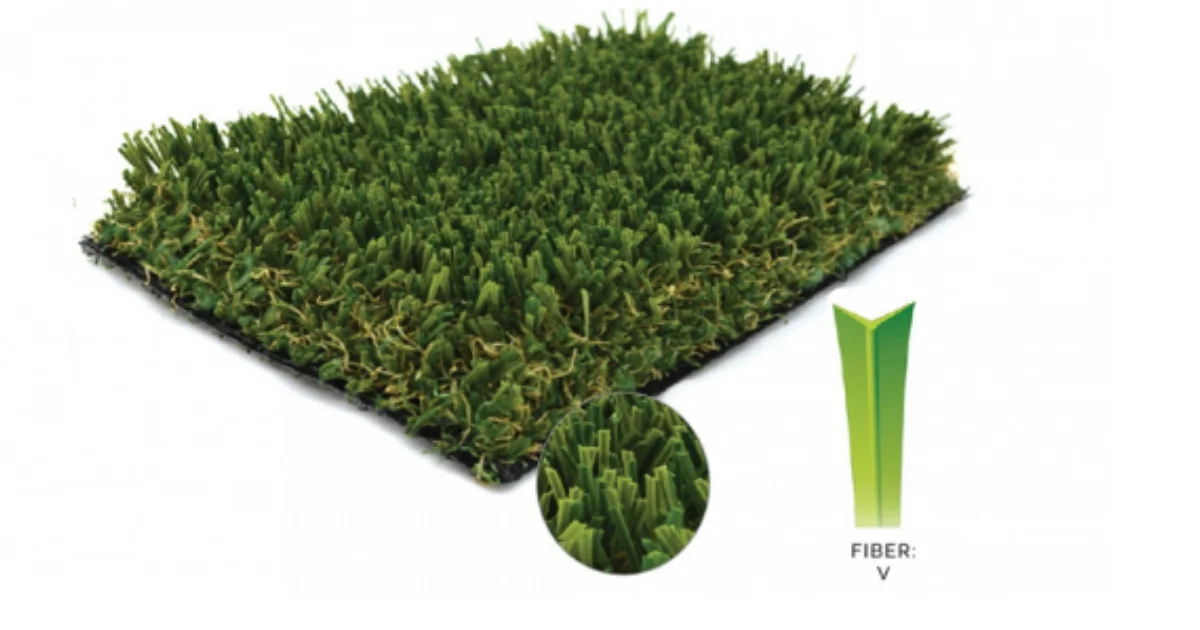
Monofilament Fiber Turf: This turf features single strands of fiber for a natural appearance and durability, making it suitable for high traffic areas.
Slit-Film Turf: Slit-film artificial turf has slit-like cuts in the fibers, providing excellent resilience and wear resistance.
Polyethylene: Polyethylene artificial turf, known for its softness and natural appearance, is a popular choice for high-traffic areas seeking a lifelike grassy surface.
Polypropylene: Polypropylene artificial turf is an economical option known for its affordability, making it suitable for budget-conscious projects in high-traffic areas.
How Do You Know Which Turf to Choose?
If you’re unsure, consider these factors:
Traffic Intensity: Consider the specific level of foot traffic the area will experience and choose a turf designed to withstand that level.
Pile Height: Shorter pile heights are typically better for high traffic areas as they offer increased durability.
Infill Options: Infill materials like sand or rubber granules are important in improving shock absorption and turf resilience.
Colour and Aesthetics: Select turf that complements the overall design and aesthetic goals of the space.
Drainage System: Having an effective drainage system is essential to prevent waterlogging in high traffic areas.
UV Resistance: UV-resistant artificial turf retains its colour and integrity over time, even under direct sunlight.
Cost-Effectiveness
While the upfront investment of installing artificial turf may be higher than planting grass, the ongoing maintenance and operational savings, including reduced water usage and maintenance expenses, more than justify the initial expense.
Beyond the financial aspect, the economic benefits for sports organizations are substantial, as they can generate additional revenue by scheduling more events, practices, and games on a reliable all-weather surface. This means they can attract more participants and spectators, reduce downtime due to weather-related cancellations, and ultimately optimizing the utilization of their facilities.
Sustainability and Environmental Benefits
From a sustainability point of view, synthetic turf checks all of the boxes:
Synthetic turf significantly reduces water usage compared to natural grass, benefiting regions facing water scarcity or drought conditions.
This reduction in water consumption conserves a valuable resource and minimizes environmental impacts like excessive irrigation and water runoff.
Synthetic turf eliminates the need for harmful pesticides and fertilizers, leading to improved water quality and reduced pollution in local ecosystems.
Reduced chemical applications also avoid potential health risks associated with pesticide exposure, benefiting both the environment and public health.
Many synthetic turf systems incorporate recyclable and eco-friendly materials in their construction. These materials promote sustainability throughout the turf's lifecycle and reduce waste associated with sports field maintenance and renovation.
Synthetic turf is often designed to be recyclable at the end of its useful life, further minimizing its environmental footprint.
Synthetic Turf Maintenance
Like with everything else in life, the more you take care of something, the more you can preserve its quality, safety, and longevity. The same is true for synthetic turf. In order to do this, sports facilities need to establish a routine maintenance program to optimize the field's performance and lifespan. Here’s what that can look like:
Perform Cleaning Routines
Regular cleaning involves removing debris, leaves, and dirt to maintain the appearance and safety of the field.
Groom with specialized equipment to help restore the turf's resilience and keep the fibers upright for optimal performance.
Address Common Issues and Repairs
Address seams and infill levels to ensure an even playing surface and reduce the risk of tripping.
Repair minor tears or damages promptly to prevent them from becoming larger and more costly issues.
Maintain Longevity and Lifespan of Synthetic Turf
Performing proper maintenance significantly extends the lifespan of synthetic turf, with well-maintained fields lasting 10-15 years or more.
Regular maintenance is a cost-effective investment that preserves the field's performance qualities, ensuring a consistent playing surface over time and maximizing the return on investment.
Installation and Maintenance
The installation process typically includes the following steps:
Site preparation
Excavation
Base material installation
Laying the turf
Securing it in place
Proper maintenance is essential and involves regular cleaning, brushing, and infill redistribution to keep the turf looking and performing its best.
Avoid these common mistakes:
Inadequate drainage planning
Improper infill maintenance
Neglecting to address pet waste promptly
By following the correct installation and maintenance procedures while steering clear of these pitfalls, you can maximize the benefits of artificial turf in high traffic areas, ensuring its lasting performance and aesthetic appeal.
Our team at Fieldmasters Synthetic Grass has been a leader in the synthetic turf industry since 1991, providing high-quality artificial turf products suitable for various applications, including putting greens, playgrounds, and landscaping. Our products address concerns related to water shortages and environmental issues by eliminating the need for constant maintenance, while also offering durability, versatility, safety, and a natural appearance that enhances any landscape. Give us a call or send us an email today and let’s talk about your landscaping needs.


