

 Fieldmasters
Admin
Fieldmasters
Admin
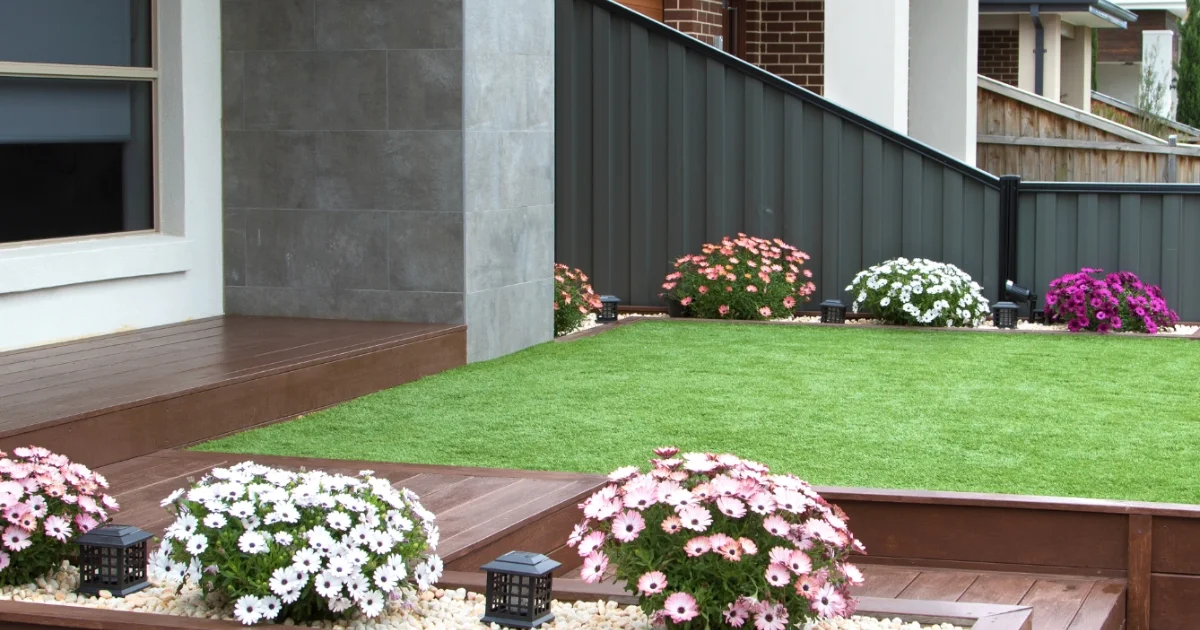
If you’re someone that made the change to artificial lawn because you were done with the constant lawn maintenance, you’ve made the right choice.
Artificial lawn can be the gem of your property, but like anything else in your house, it needs to be maintained regularly for longevity.
Artificial lawn is often sold as a maintenance-free product, and the reality isn’t too far from it either. Fake turf does require maintenance but significantly less than natural grass.
In this blog post, we will go over a few easy steps to keep your synthetic turf material clean and perennial.
Artificial lawns are usually installed on an infill mix made of peat, cork, and a bottom layer of sand. The turf infill layers have varying levels of moisture, and maintaining this moisture extends the turf’s life.
Proper upkeep of synthetic turf provides the following benefits to the surface:
safety
performance
longer life cycle
optimum aesthetics
Fieldmasters Synthetic Grass, a leader in the synthetic turf industry since 1991, has been installing and maintaining a variety of synthetic turf systems for years. Our premium-quality artificial lawn is durable, cost-effective, and safe for all family members. Our products and excellent turf surfaces are easy to clean and maintain and will last a long time without fading or discolouration. Call us or send an email today to learn how to best maintain your artificial lawn.
What to Expect in an Artificial Lawn
It generally takes up to three months for a new artificial grass surface to settle in place and reach its optimum condition. It’s during this time that the infill materials could penetrate the fibre pores and settle onto the turf surface. During this time, use a plain, soft-bristled turf brush for light grooming. This will help infill settlement and promote proper installation.
Possible Difficulties in Turf Cleaning
Artificial grass surfaces can be installed both indoors and outdoors and different factors affect both locations. For instance, sports pitches and playing surfaces inside buildings are protected from debris, such as branches, leaves, sand, rocks, etc.
When laid outside, the artificial grass is exposed to a variety of natural elements, such as rain, snow, leaves, branches, bird poop, etc.
It’s a good idea to prepare a proper cleaning kit, keeping in mind where your turf is placed and the traffic it sees over the year.
Synthetic Turf Cleaning Kit
A quick trip to the local gardening store can help you put together a kit that addresses all cleaning needs for your turf.
Depending on the turf usage and the location of the surface, your kit should have a brush, turf bond adhesive, a leaf rake, stiff-bristled broom, a vacuum cleaner, and a leaf blower.
Other cleaning accessories include, approved detergent, turf bond, seaming tape, and a shoe cleaning mat that everyone can use to wipe their feet.
Other Types of Objects that Affect Artificial Grass
Outdoor surfaces are also exposed to ‘organic mud,’ which is made of substances, such as dirt sludge, algae, moss, pollen, etc.
These items can have potentially significant and lasting effects, because they can decompose into organic compounds, such as humus (a dark, organic material that forms in soil when plant and animal matter decays). When used constantly without cleaning, organic materials penetrate into the synthetic turf surface. Over time, the surface loses its water permeability allowing algae to develop. Add humidity to the mix and the mud will compact over time.
The other category is ‘synthetic mud,’ which is made of cigarettes, paper, plastic, etc.
These items stress or change the structure of artificial grass turf. With exposure to water over time, these materials can permeate into the deeper layers of the surface destroying the fibres and leading to discolouration.
But, the solution is simple: regular cleaning.
Plan a Regular Maintenance
Simplify your life by setting up a cleaning schedule so you don’t wait until the last minute. A daily visual examination of the surface, especially along the seams and any line markings, should tell you what kind of maintenance is needed that week.
If you live in a warm climate, watch closely for algae invasion and remedy it as soon as you spot its onset.
Maintaining Turf Throughout the Seasons
You’ll need to maintain your artificial lawn according to the climate you’re in. Much like your wooden deck, there’s some pre-winter cleaning and post-winter maintenance that needs to be done.
Winter Upkeep
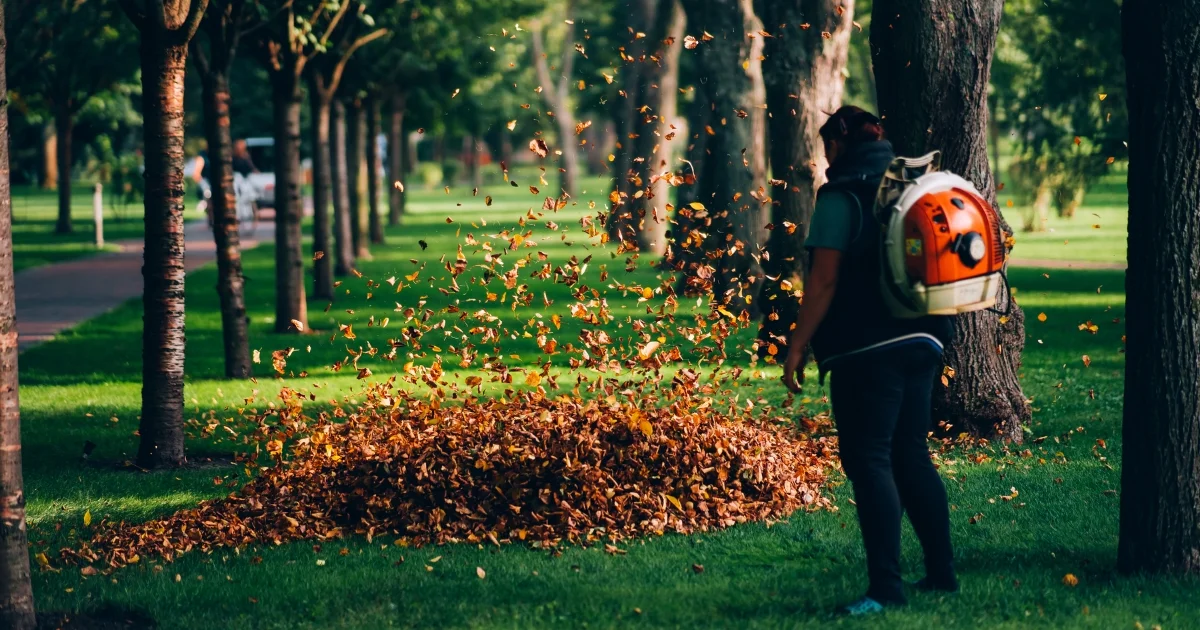
Get on top of the winter cleaning regimen by removing fall leaves, twigs, and any other debris. Remember that leaf blower you put into your cleaning kit? It’s time to use that before anything else is done.
If you want to go all the way, and we recommend you should, cover the fake turf with a tarp to make spring cleaning easier. You can take a plastic shovel to remove any snow off the tarp.
Spring Cleaning for Synthetic Turf
Once the snow has melted, let the surface dry out before you do anything else. If there is any debris on the tarp, brush it off before lifting it. Once it’s been removed, clean the artificial grass with a rake or a blower, depending on the amount of debris on it.
Regular Summer Upkeep
While it’s being used by your family and pets, we recommend a light brushing at least once a month. That will help remove any items that get dragged onto the surface.
Items that Damage Synthetic Turf Maintenance
Try as you may, you can’t keep your artificial lawn surface from coming in contact with nature, but you can lend the artificial grass a hand in staying healthy. In addition to what we’ve outlined above, here are some more tips for keeping your synthetic turf looking pristine for longer.
Brush the surface at least once every month, moving the brush in a number of alternate directions.
Remove debris sooner than later, at least once a week, using a brush or rake.
Get rid of animal feces as soon as you find it. Wash the area with warm soapy water, using a safe and gentle liquid detergent.
Clear away any broken, sharp objects, such as glass, tin, or ceramics, that can bury themselves into the turf structure and potentially damage it and harm users.
Keep open fires or other hot items away from your artificial grass surface, which comes with a fire safety rating but can still melt under extreme, direct heat.
Watch for sticky items, like chewing gum, which can be chipped off if frozen but that process can affect the surface.
Artificial turf can heat up under the sun, so consider getting mist sprinklers to keep it cool.
If you’re unsure of how to best maintain your artificial turf material, we’re here to help.
The Fieldmasters Synthetic Grass team has years of experience installing and maintaining artificial grass lawns. We can guide you to control and be on top of maintenance. Our experts can advise you on how to create a turf cleaning kit you can use to keep your artificial turf in great condition. Call or email us to talk about ways of staying on top of your artificial lawn maintenance.


